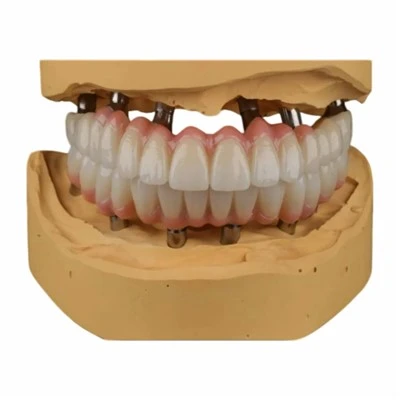

Core Advantages & Clinical FAQ of Posterior PFM + Full Metal Crown Hybrid Restoration
Oct 12, 2026
Introduction
In modern dental laboratory and clinical practice, posterior bridge failure is mostly caused by porcelain chipping, occlusal wear and long-span structural deformation. The posterior PFM combined with full metal crown hybrid technology has gradually become the preferred alternative to traditional full PFM bridges and full-zirconia posterior restorations, due to its unique dual advantages of strength and cost performance. This article analyzes its clinical value and answers common professional questions.
Key Clinical Advantages
1. Zero Porcelain Fracture Risk Under Heavy Occlusion
The full metal occlusal structure completely eliminates the most common defect of posterior PFM restorations: porcelain delamination and cracking. It is highly resistant to long-term chewing pressure and bruxism friction, greatly improving the long-term stability of posterior bridges.
2. Perfect Balance of Strength and Aesthetics
Different from full metal bridges that look metallic and unnatural, the hybrid design retains layered porcelain on the buccal side to ensure natural tooth appearance. It avoids aesthetic defects while maximizing occlusal performance, forming the most cost-effective balance for posterior restoration.
3. Higher Structural Stability for Long-Span Bridges
The integrated cast metal framework provides higher rigidity than milled ceramic structures. For long-span posterior bridges, the PFM + full metal combination effectively prevents bending, deformation and marginal gap opening, reducing clinical rework rate significantly.
4. Excellent Biocompatibility and Gingival Adaptation
Adopting medical-grade cobalt-chromium or noble metal alloy, the restoration features low allergy risk and high tissue compatibility. Precision cast margins ensure tight sealing, reduce plaque accumulation and protect long-term gingival health.
5. Flexible Clinical Adjustability
The metal surface allows convenient chairside adjustment of occlusion, contact points and marginal fitting. It is more flexible than full ceramic restorations and highly adaptable to complex oral occlusal conditions.
Professional Clinical FAQ
Q1: Why choose hybrid PFM + full metal instead of full PFM for posterior bridges?
Full PFM bridges easily chip under heavy bite and bruxism conditions. The hybrid design uses full metal on occlusal high-stress areas to eliminate fracture risks and uses PFM on visible areas for aesthetics, which is more practical for posterior functional restoration.
Q2: Is the hybrid restoration durable?
Yes. With integrated cast metal structure and no fragile porcelain on occlusal surface, the service life can reach 15–20 years under normal oral maintenance, far exceeding the durability of ordinary full PFM bridges.
Q3: Is this solution suitable for bruxism patients?
It is one of the best choices for bruxism and heavy-bite patients. The full metal occlusal resists long-term friction and impact, avoiding the frequent damage of all-ceramic and full PFM restorations.
Q4: Does the hybrid restoration affect gingival health?
No. Standard medical alloy materials and ultra-precision cast margins ensure excellent biocompatibility and marginal tightness, effectively preventing gingival inflammation and marginal leakage.
Q5: How does it compare with full zirconia posterior bridges?
It provides stronger occlusal bearing capacity and better adjustability at a lower cost. While full zirconia is better for high aesthetics, the PFM + full metal hybrid solution dominates in functional stability and cost performance for posterior high-load cases.
Summary
The posterior PFM combined with full metal crown restoration is a highly practical and cost-efficient hybrid restorative technique. With outstanding strength, stable clinical performance and balanced aesthetics, it remains an indispensable mainstream solution for complex posterior fixed bridge restoration in the global dental industry.