
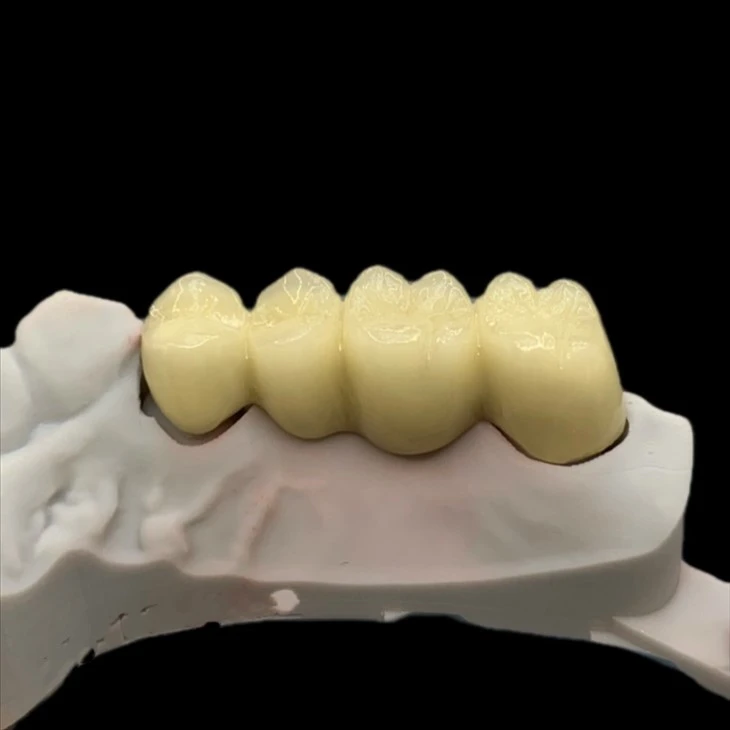
Metal Ceramic Posterior Bridge
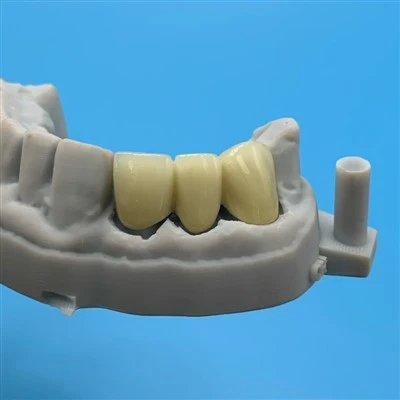
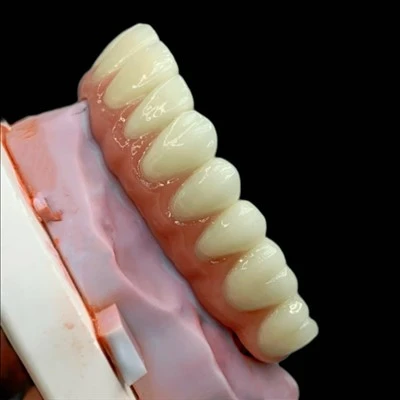
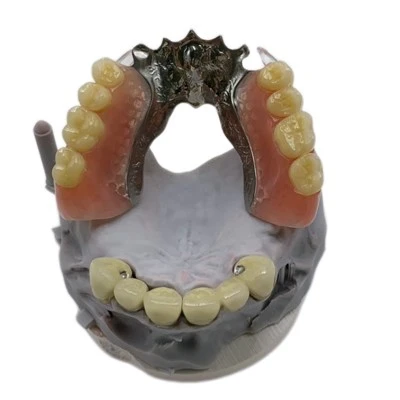
Metal ceramic posterior bridge, also known as PFM (Porcelain Fused to Metal) posterior fixed bridge, is a classic, high-load fixed prosthetic restoration for molar and premolar zones. It consists of a precision metal framework as the core strength base, layered with dental porcelain for natural occlusal and buccal aesthetics. Favored for posterior cases with heavy masticatory force, multi-unit or long-span edentulous gaps, it delivers reliable rigidity and predictable clinical survival rate compared to all-ceramic bridges in high-bite scenarios. Our lab fabricates PFM posterior bridges via digital CAD/CAM metal milling + hand porcelain layering, compatible with 3Shape, Medit Link, Shining 3D STL scans, with customizable alloy options, pontic designs and tooth shades.
Description
What is a Metal Ceramic Posterior Bridge?
A metal ceramic posterior bridge is a tooth-supported fixed partial denture designed for the posterior dentition (premolars & molars).
Inner core: Cast or milled metal substructure (non-precious, semi-precious, noble gold alloy, titanium alloy optional), which bears almost all occlusal stress and prevents framework deformation.
Outer veneer: Fused porcelain, shaped and shaded to mimic natural posterior tooth morphology.
Main components: Abutment retainers (crowns covering prepared abutment teeth), pontics (fake teeth replacing missing units), rigid connectors linking all segments. It differs from all-zirconia bridges: metal substrate provides higher rigidity for long spans, while all-zirconia is fully ceramic without metal coping.
Key Benefits
Extreme rigidity for heavy occlusal force Metal framework resists bending, twisting and fracture. It is the gold standard for long-span posterior bridges and patients with heavy bite / bruxism.
Proven long-term clinical track record Decades of clinical data confirm stable performance for posterior fixed rehabilitation, excellent survival for multi-unit cases.
Balanced function & acceptable aesthetics Porcelain layering restores natural tooth shape and shade for visible buccal surfaces; metal base is hidden subgingivally or on lingual/occlusal side for posterior areas where aesthetics demand is lower than anterior zone.
Wide alloy selection for different demands Non-precious alloy (CoCr): cost-effective, high strength; semi-precious / noble alloy: better biocompatibility, less gingival discoloration; titanium alloy: ideal for metal-sensitive patients.
Great marginal adaptation & passive fit Digital milling and controlled sintering reduce framework distortion; stable margin seal lowers secondary caries risk on abutments.
Good repair feasibility Chipped porcelain can be intraorally repaired in many cases, easier than repairing monolithic all-ceramic bridges.
Indications (Suitable Cases)
✅ Missing premolars / molars requiring fixed bridge replacement
✅ Multi-unit and long-span posterior edentulous gaps where all-ceramic bridge carries fracture risk
✅ Patients with heavy occlusion, parafunctional habits or bruxism
✅ Abutment teeth with adequate remaining tooth structure for crown preparation
✅ Budget-sensitive posterior fixed rehabilitation with high functional priority
✅ Cases requiring screw-retained or cemented tooth-supported posterior fixed prostheses
❌ Contraindications
Severe metal allergy (choose full zirconia bridge instead)
High aesthetic demand on posterior gingival margin (risk of grey metal collar line)
Insufficient abutment retention, poor periodontal condition of abutments
Uncontrolled parafunction without occlusal splint protection
fAQ
Q1: Metal ceramic posterior bridge vs zirconia posterior bridge, which one to pick?
A: Choose PFM metal ceramic bridge for long span, heavy bite, bruxer patients for maximum rigidity. Choose full zirconia bridge if patient has metal allergy, zero grey collar line requirement, or higher aesthetic expectation.
Q2: What metal alloys do you offer for the framework?
A: Cobalt-chromium (CoCr, standard), semi-precious alloy, high-noble gold alloy, titanium alloy. Please specify alloy type on your work order.
Q3: What pontic designs are available for posterior PFM bridges?
A: Sanitary pontic (most common for posterior), modified ridge-lap pontic for good tissue contact, customized design on request.
Q4: What scan files do we accept?
A: STL files from 3Shape, Medit Link, Shining 3D, DEXIS IS. Please send abutment prep scan, antagonist scan and bite scan together.
Q5: Can metal ceramic bridge be used for anterior zone?
A: Yes, but anterior PFM may show grey gingival collar, so it is less popular now. Anterior cases usually prefer full zirconia or lithium disilicate.
Q6: What is the typical unit limit for a posterior PFM bridge?
A: Normally up to 4–6 units for posterior long span; longer spans need careful abutment evaluation and thicker connector design for strength.
Q7: How is it cemented?
A: Conventional cementation with resin-modified glass ionomer or resin cement is standard for PFM posterior bridges.
Hot Tags: metal ceramic posterior bridge, China metal ceramic posterior bridge manufacturers, suppliers, factory