
North America Digital Denture Market Data 2026
Oct 28, 2026
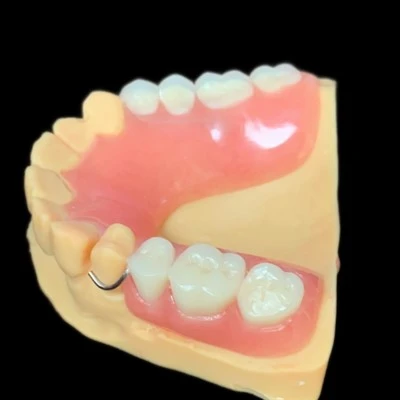
The North American digital denture market is valued at USD 445.3 million in 2026, with forecasts projecting it will reach USD 675.6 million by 2031, representing a compound annual growth rate (CAGR) of 8.7%. This growth rate outpaces the global average for digital dentures, making North America one of the most dynamic regional markets for removable digital prosthetics.
Despite strong expansion of digital workflows, the market follows a distinct dual-track development pattern rather than a full replacement of conventional techniques. Premium, high-end dental clinics prioritize fully digital production routes, including CAD/CAM milling and 3D printing for denture bases and teeth. These practices leverage intraoral scanning, cloud-based case management, automated milling equipment and validated printable resin materials to shorten chairside visits, standardize fit and streamline quality control. Digital dentures align well with their service positioning: faster deliveries, predictable marginal adaptation and digital archiving for future relines or duplicates fit the expectations of private-pay and higher-income patient groups.
On the other side of the market, community general practices and large pools of elderly patients continue to rely heavily on traditional hand-processed acrylic dentures. Conventional packed acrylic prosthetics remain firmly entrenched for several practical reasons. Many senior patients prefer the proven material performance of heat-cured acrylic, including favourable gingival texture, fracture toughness and straightforward in-office repair and relining. Numerous community clinics also lack the capital investment, software training and in-house scanning infrastructure required to adopt full digital denture workflows. For these providers, traditional workflows stay cost-effective and clinically familiar, even as digital options gain visibility.
This split creates important segmentation for dental laboratories operating across North America. Large national lab chains such as Dandy build capacity around digital denture platforms to serve high-volume premium clinics, while many local and offshore contract labs maintain robust manual acrylic lines to satisfy steady demand from community practices. Hybrid workflows like Dandy's recently launched Fusion denture process sit between these two tracks, combining digital base fabrication with manual acrylic packing to bridge precision, durability and soft-tissue esthetics.
Analysts attribute the region's above-average growth rate to multiple drivers: wider adoption of intraoral scanners, improved insurance coverage for removable prosthetics, rising edentulism in the aging population, and growing comfort among dentists with sending STL files to digital labs. Even with these tailwinds, the market transition will be gradual. The 8.7% CAGR reflects incremental penetration rather than rapid displacement of traditional dentures.
For international OEM dental manufacturers targeting North America, the dual-track structure carries clear strategic guidance. Success requires the ability to support both production pathways: offering competitive digital milling and printing services for digitally oriented clinics, while also retaining skilled acrylic technicians to deliver conventional hand-packed dentures for community practices and elderly patient cases. Labs that can flexibly operate across both lines are better positioned to capture market share during this extended transitional period.
If you want, I can merge this one with all the previous articles (VITA, Ivoclar, ROE, Dandy, US outsourcing trend) into a consistent series for your website news page.